24 April 2026
Build vs Buy AI for Singapore SMEs: A Practical 2026 Framework
By We Are Heylo
Most Singapore SMEs facing an AI decision frame it as a binary. Should we build a custom system or buy something off-the-shelf? It's almost always the wrong question. The right question is which parts to buy, which parts to build, and which parts not to do at all.
This is the framework we use when we audit a business for the lever AI can pull. It works at the scale most Singapore SMEs actually operate at: SGD 1M to 50M in revenue, between 5 and 100 employees.
The three modes (and the one most people miss)
There are three modes for adopting AI in a small or mid-sized business, not two.
Buy. Subscribe to a SaaS product that already does what you need. Intercom Fin for support, Otter for transcription, Lever for ATS automation, Shopify's built-in AI features for ecommerce. Set up in days. Marginal cost is the subscription.
Build. Commission a bespoke system. Custom code, your data, your stack, your IP. Set up in weeks to months. Marginal cost is the engineering time, then ongoing maintenance.
Boost. Subscribe to a platform that gets you 70% there, then build the last 30% on top of it. Examples: building on top of LangChain plus a vector database, customising the system prompts and retrieval logic in a tool like Vellum, or wiring custom workflows into an existing platform like Zendesk via APIs. This is the mode most Singapore SMEs underuse.
The mistake is treating buy and build as the only options. Boost is usually the fastest path to value because it lets you reuse 70% of someone else's engineering investment.
When to buy
Buy when at least three of these are true.
- The workflow is common to many businesses, not unique to yours
- A mature vendor has been shipping it for at least two years
- Your data is structured in ways the vendor expects
- You don't need to differentiate on this workflow versus competitors
- The total cost of ownership (subscription plus integration plus admin time) is lower than building
A clear example: a Singapore ecommerce business handling customer support tickets in English and Bahasa. Intercom Fin or Zendesk AI handles 60 to 70% of routine queries straight out of the box. The cost is around SGD 300 to 800 per agent seat per month. Building a comparable system from scratch would cost SGD 60k to 150k and take three months. The buy decision is obvious.
When to build
Build when at least three of these are true.
- The workflow is core to how you differentiate from competitors
- Your data is proprietary in a way no vendor has access to
- An off-the-shelf product covers less than 40% of the actual use case
- Regulatory or compliance requirements make sharing data with vendors complicated
- You have a clear operational number to move that compounds over time
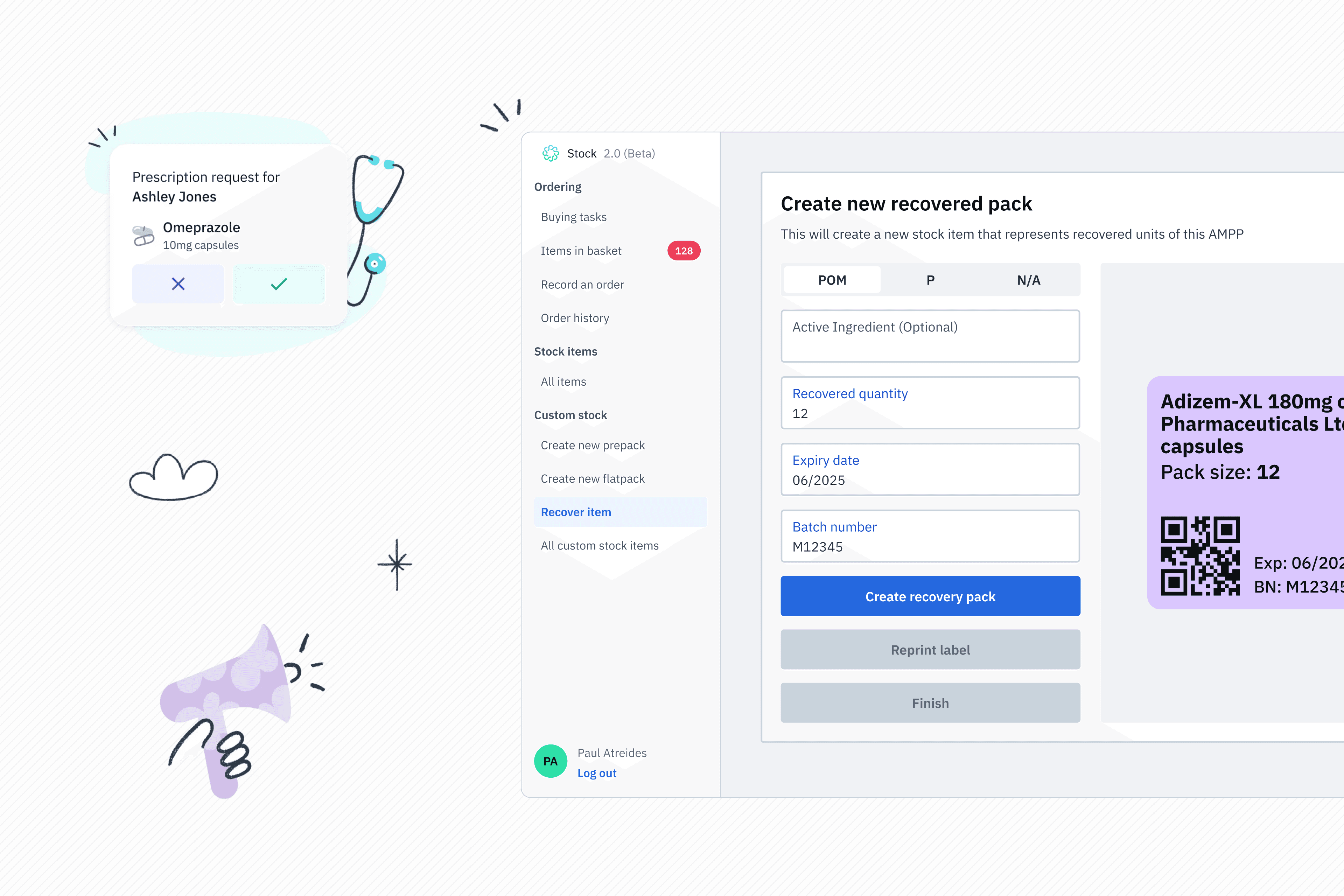
A clear operational example is Jack's work as Principal Engineer at LloydsDirect, a UK pharmacy with proprietary dispensing data and a regulated environment. No vendor product existed for the stock-recovery problem. Jack identified a cost-reduction opportunity worth £3.18 million annualised and shipped the supporting custom system in eight weeks.
The build decision is rare. Most SMEs we audit don't need to build. The ones that do, do it for very specific reasons.
When to boost
Boost when at least three of these are true.
- An off-the-shelf product covers 50% to 75% of what you need
- The remaining gap is consistent and well-defined (not changing weekly)
- You can use APIs, webhooks, or extension points to layer custom logic on top
- The vendor's roadmap won't close the gap in the next 12 months
- You want to ship value in weeks, not months
A clear example: a Singapore logistics business using a generic CRM but needing custom lead scoring that combines their proprietary delivery performance data with public signals. They subscribed to the CRM (buy) and built a thin layer on top that pulled in the proprietary data and scored leads inside the CRM via a webhook. Total cost: SGD 25k of build work, plus the ongoing CRM subscription. Time to value: four weeks.
Boost is the sweet spot for most Singapore SMEs. Cheaper than build, more powerful than buy, defensible against competitors who use the same SaaS product.
The hidden cost of buying too much
The biggest single mistake we see is subscription sprawl. Singapore SMEs end up with 30 to 60 SaaS subscriptions, only half of which are used. The cost is rarely the subscription itself. It's the integration debt, the auth overhead, the data silos, and the surface area for security review.
If you're already paying for ten AI-adjacent SaaS tools, the right next action is usually a tooling audit, not another subscription.
The hidden cost of building too soon
The biggest single mistake on the build side is committing to a custom system before you've validated the problem with a paid tool first. You spend SGD 80k building something. Six months later you realise the actual problem was different. The build is now technical debt instead of value.
Pay for a SaaS subscription first to prove the problem is real. Then build only if the SaaS clearly can't get you the rest of the way.
A decision matrix
If you only remember one framework from this post, remember this.
| Criterion | Buy | Boost | Build |
|---|---|---|---|
| Time to value | Days | Weeks | Months |
| Cost range (SGD) | $200–$5k/mo | $15k–$60k + subscription | $60k–$300k+ |
| Differentiation | None | Some | High |
| Data control | Vendor holds it | Mixed | Yours |
| Ongoing burden | Low | Medium | High |
| Right when | Workflow is common | 50–75% off-the-shelf fit | Workflow is core IP |
When you're not sure, default to buy first, then boost, then build. The cost of getting it wrong increases exponentially in the wrong direction.
What to do in the next two weeks
If you're sitting on an AI decision right now, do this in order.
- Write down the operational number you want to move. One sentence. If you can't, you have a strategy problem.
- Check whether a SaaS product already exists that touches that number. Spend an afternoon researching.
- If a SaaS exists, run a paid trial. Pay for it. Free trials lie about real use.
- If the SaaS gets you above 70%, you're in boost territory. If it gets you below 40%, you're probably in build territory.
- If you're between 40% and 70%, call someone who has shipped both. The build-vs-buy line is genuinely hard to call, and the cost of getting it wrong is high enough to justify a paid second opinion.
The bottom line
Singapore SMEs aren't choosing between build and buy. They're choosing between three modes, and most of them should default to buy first and boost second. Build is rare, expensive, and worth it only when the operational outcome compounds over time and the workflow is core to how you compete. Get the mode right before you spend a dollar.
This article was written by the team at
We Are Heylo
We're an AI consulting and product engineering studio for operators who need the numbers to move. Singapore-based.
Related articles
Singapore Budget 2026 AI Grants: A Practical Guide for SMEs
What the 2026 Budget actually changed for AI adoption in Singapore SMEs. The 400% tax deduction, the EDG, the PSG, and which to use for what.
AI Governance in Singapore: PDPA, the Model AI Framework, and What SMEs Need to Know
A practical guide to AI governance for Singapore SMEs. The Model AI Governance Framework, PDPA touchpoints, IMDA's autonomous agent guidance, and what to do this quarter.
Mobile App vs Web App: Which Should You Build in Singapore?
Mobile app vs web app: compare cost, launch speed, and search reach so you build the right one first for your Singapore business, not the one to redo later.